Strategy
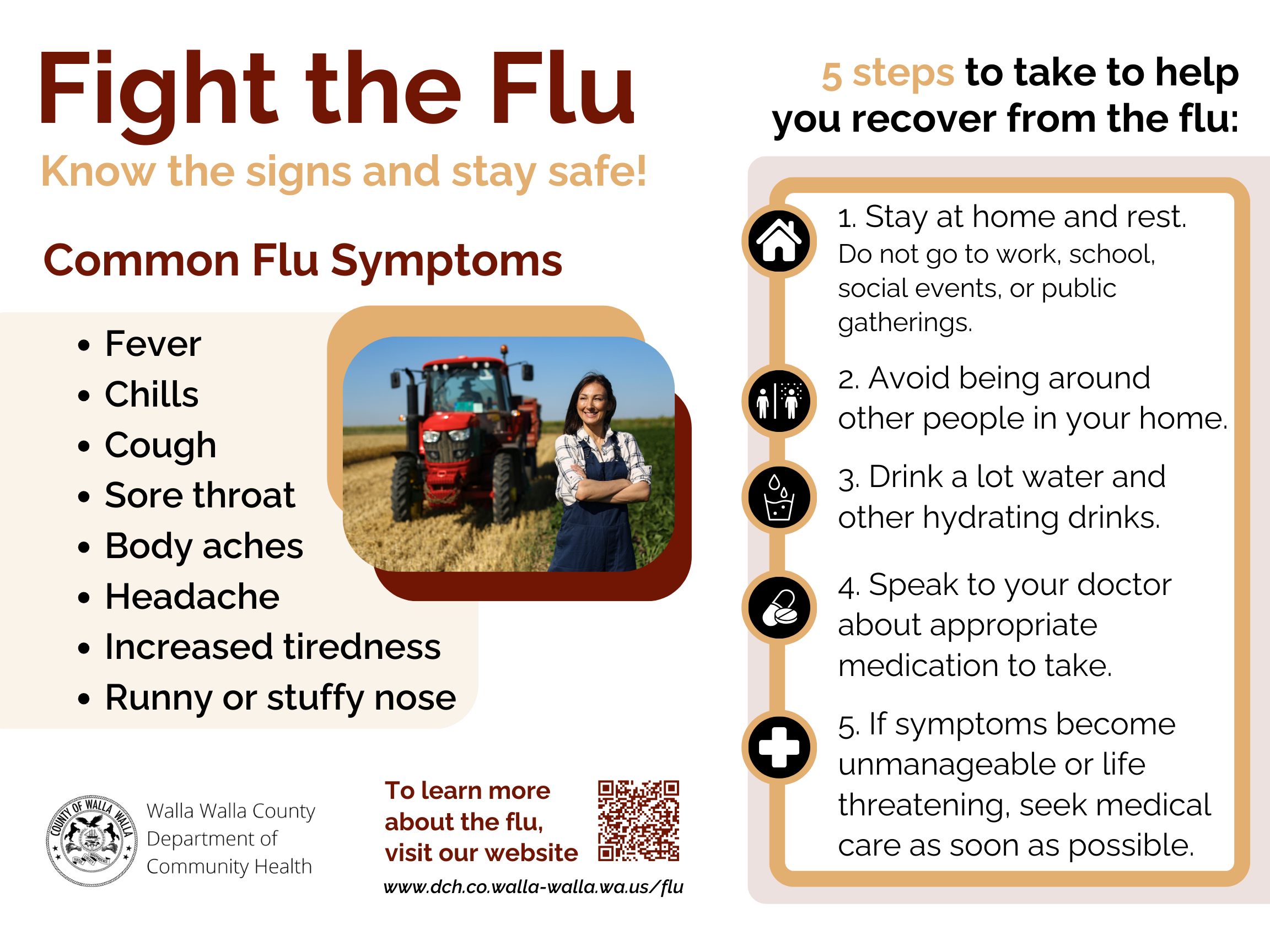
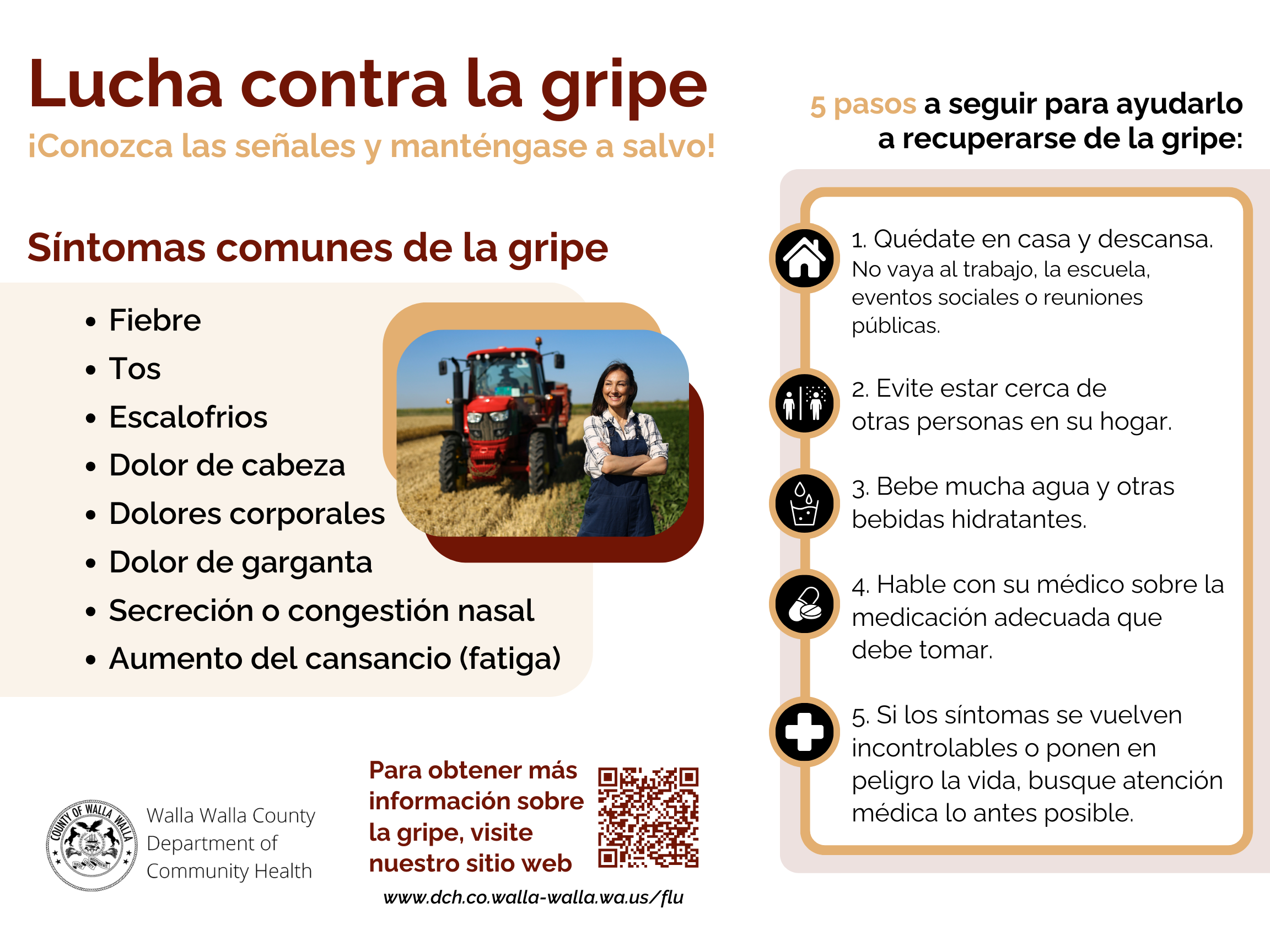
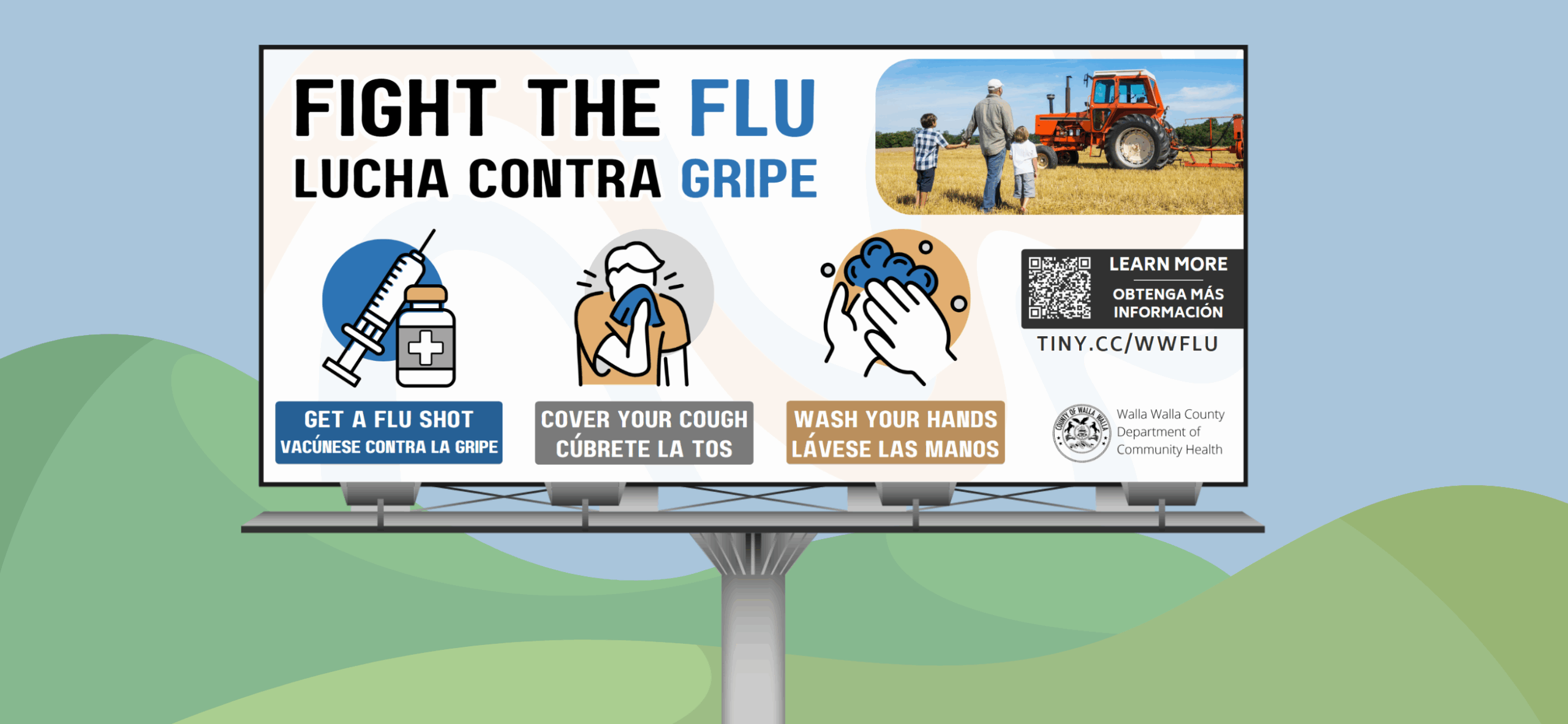
Washington’s immunization program offers five contracts, each awarding $50,000 to local health jurisdictions (LHJs) with high concentrations of poultry/dairy farms to develop activities and messaging around H5N1 bird flu prevention. Once the LHJs are selected, immunization program staff offered regular meetings, webinars, and joint initiatives to address the spread of avian flu during the 2024-2025 respiratory season. The primary objectives include reducing the risk of seasonal flu within agricultural worker communities, protecting workers and their families through flu vaccination, and reducing barriers to immunization through on-farm events.
Challenge
In August 2024, the Centers for Disease Control and Prevention (CDC) announced its intention to focus on flu immunization to protect the health of farmworkers at heightened risk of exposure to H5N1 bird flu. To address the spread of H5N1 during the 2024-2025 respiratory season, Washington’s immunization program began activities to reduce the risk of seasonal influenza within agricultural worker communities.
Solution
Washington’s immunization program first used Washington Department of Health (DOH) data to identify potential areas for outreach. Data were reviewed to determine domestic migrant workers, seasonal agricultural workers, and H-2A workers by county, and combined this information with the farm information found from maps of licensed poultry and dairy farms in Washington State. Five LHJs were selected and given contracts, and an additional two LHJs were supported with efforts but without a consolidated contract.
Outcome
WA DOH-Care-a-Van (CAV) Mobile Clinic provided 27 clinics and vaccinated a total of 296 individuals between September 24, 2024, and June 30, 2025. One hundred and fifty-one COVID-19 vaccines and 204 influenza vaccines were administered during this time.
The key factors for the success of this effort were not only how quickly DOH staff mobilized starter materials, CAV, and allocated funds for these LHJs, but the LHJs themselves. The LHJs demonstrated strong relationships that had been developed with their respective communities and related partners. These relationships informed the materials they developed and informed where they placed these educational materials. Additionally, the LHJs did the hard work of gaining the trust of their local farms and agricultural workers. Many LHJs were able to host their own vaccine events, and many have been invited back to administer vaccines next year at these farms.
Supplemental Materials